More Than Just an Introduction: The Evolving Role of SNL Title Cards
For over four decades, Saturday Night Live (SNL) has been a cultural touchstone, shaping comedy, politics, and television itself. While much attention rightly goes to the iconic sketches, unforgettable characters, and groundbreaking performances, there's a subtle yet powerful element that often goes overlooked: the
SNL title card. These brief, graphic introductions are far more than mere segment markers; they are miniature works of art, cultural commentaries, and profound tributes, carrying a surprising amount of weight and meaning within the show's rich tapestry. From setting the irreverent tone for an animated short to honoring a behind-the-scenes legend, the impact of an SNL title card is pervasive, instantly recognizable, and deeply significant to fans and the show's legacy alike.
An SNL title card serves multiple purposes. At its most basic, it cues the audience into a new segment, segment, providing essential context or simply a moment to reset before the next laugh. However, over the years, these cards have evolved into powerful tools for branding, artistic expression, and even emotional communication. They can encapsulate the entire essence of a recurring sketch in a single frame, or they can deliver a poignant message that resonates long after the credits roll. Understanding their varied roles allows us to truly appreciate the depth and thoughtfulness embedded in every Saturday night broadcast.
Iconic Animation: JJ Sedelmaier Studios and SNL's Visual Identity
Some of the most memorable and visually distinctive SNL title cards belong to the animated segments from the legendary "TV Funhouse." These shorts, often spearheaded by Robert Smigel, found their distinct visual flair through the meticulous work of JJ Sedelmaier Studios. The animation house brought a unique, often retro, and always sharply satirical aesthetic to SNL, and their title cards were an integral part of this visual identity.
Consider the "X-Presidents," a recurring animated sketch that perfectly blended political satire with over-the-top action. The
SNL title card for this segment, featuring animated versions of Gerald Ford, Jimmy Carter, Ronald Reagan, and George H.W. Bush as a crime-fighting, politically incorrect super team, immediately established the absurd premise. It was a visual shorthand for the sketch's irreverent humor, a cartoonish take on real-world figures that became a staple of SNL's political commentary, especially during the 90s. The title card wasn't just text; it was an illustrated promise of the comedic chaos to follow, rendered in Sedelmaier's distinct style that echoed classic Hanna-Barbera cartoons but with a decidedly adult edge.
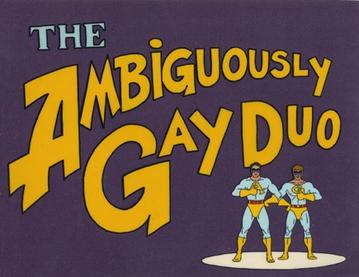
Perhaps even more iconic is the
SNL title card for "The Ambiguously Gay Duo." Starring Ace and Gary in their "heroically suggestive manly pose," this title card became instantly recognizable. The print, produced as a limited edition for Sedelmaier's signing at the 2007 San Diego Comic-Con, captures the very essence of the duo's humor: their thinly veiled, yet never explicitly stated, romantic dynamic. The print's detail and the "suggestive manly pose" perfectly encapsulate the brilliant satire of superhero tropes and societal discomfort with LGBTQ+ themes that the segment masterfully played upon. Sedelmaier’s hand-signed limited edition prints, like this one, are not just production art; they are tangible pieces of comedy history, testament to how a simple title card can become an indelible part of pop culture.
The work of JJ Sedelmaier Studios didn't just introduce these segments; it defined their visual brand. Each animated
SNL title card was a micro-narrative in itself, preparing the audience for the unique blend of wit, absurdity, and often subversive commentary that followed.
Beyond the Screen: SNL Title Cards as Collector's Items
The enduring appeal of SNL's animated title cards has transcended the television screen, evolving into highly sought-after collector's items. The limited edition prints from JJ Sedelmaier Studios, often made available through esteemed galleries like Van Eaton Galleries, offer fans a unique opportunity to own a piece of SNL history. These aren't just mere souvenirs; they are original, high-quality reproductions of actual production art, often hand-signed by the creative minds behind them.
For instance, the "Ambiguously Gay Duo" title card print, produced in an edition of just 150 pieces and hand-signed by JJ Sedelmaier himself, exemplifies the collectible value. Such items offer rarity, authenticity, and a direct connection to the creative process of beloved SNL segments. Collectors are drawn to the nostalgic value, the artistic merit, and the historical significance of owning a piece that played a vital, albeit fleeting, role in television's most famous sketch show.
Tips for aspiring collectors seeking these unique pieces:
- Authenticity is Key: Always purchase from reputable sources like Van Eaton Galleries or official studio sales to ensure you're acquiring a genuine limited edition print.
- Look for Signatures: Pieces hand-signed by the artists, like JJ Sedelmaier, significantly increase their value and desirability.
- Understand Editions: Limited editions, especially those with low production numbers, are typically more valuable.
- Condition Matters: As with any collectible art, the condition of the print (e.g., "fine condition" as described for the Ambiguously Gay Duo print) plays a crucial role in its market value.
Collecting these
SNL title cards is more than just an investment; it's a way to celebrate the unsung artistic contributions to the show and preserve the visual legacy of SNL's comedic animation. For those interested in delving deeper into this fascinating niche, you might find valuable insights in
Collecting SNL Title Cards: Iconic Art from JJ Sedelmaier Studios.
A Legacy Etched in Frame: SNL's Tribute Title Cards
Beyond their role in introducing comedic segments,
SNL title cards also carry a profound emotional weight when used as tributes. These special cards appear briefly at the beginning or end of an episode, serving as a solemn and public acknowledgment of significant figures whose contributions, though often behind the scenes, were vital to the show or the entertainment industry at large. This tradition highlights SNL's deep respect for its extended family and its legacy.
A recent example that resonated deeply with viewers was the SNL title card tribute to Sandy Wernick. For many, the name might not immediately ring a bell, prompting curiosity about who this individual was. As the tribute card illuminated, Sandy Wernick was a cornerstone figure in Hollywood, best known as Adam Sandler’s longtime manager, guiding Sandler's career from his early days on SNL to his superstardom in feature films. Wernick also served as an executive producer on many of Sandler's movies.
His connection to SNL ran even deeper: he was an agent and manager for none other than Lorne Michaels, the show's creator and executive producer, as well as other SNL alumni like Colin Quinn and Rob Schneider. Wernick's passing at 86 marked the end of an era for many who knew and worked with him. The SNL tribute card, though simple in its presentation, spoke volumes. It was Lorne Michaels and the entire SNL team's way of publicly honoring a man who, while never a household name, quietly shaped the careers of some of the most influential figures in comedy.
These tribute cards are critical because:
- They Honor Unsung Heroes: Many vital contributors to a show's success operate behind the camera. These cards give them their moment in the spotlight.
- They Educate Viewers: They offer an opportunity for the audience to learn about individuals who have had a profound impact on the show or its cast.
- They Preserve Legacy: By acknowledging these figures, SNL ensures their contributions are remembered "in perpetuity," as the show itself has such a long and influential run.
- They Show Respect and Gratitude: It's a powerful public gesture from a show that prides itself on its close-knit community.
The Sandy Wernick tribute exemplifies how an SNL title card can transcend its functional role to become a poignant message of respect, reminding us that the magic of television is often a collaborative effort, built on the talent and dedication of many. For more on this poignant aspect of the show, consider reading
Why SNL Title Cards Honor Key Figures Like Sandy Wernick.
The Lasting Impression: Why SNL Title Cards Matter
From their inception,
SNL title cards have done more than just punctuate the show; they have enriched it. They are miniature capsules of meaning, reflecting the show's artistic ambition, its comedic genius, and its heartfelt tributes. Whether it's the bold, satirical lines of an animated segment's introduction, the historical weight of a rare collector's print, or the quiet dignity of a memorial card, each title card contributes to the intricate tapestry that is Saturday Night Live.
They prove that even the smallest, most transient elements of a broadcast can carry significant cultural and emotional weight. The designs of JJ Sedelmaier Studios remain iconic, etching themselves into the collective memory of fans. The collectible nature of these art pieces speaks to their lasting artistic and nostalgic value. And the tribute cards, like the one for Sandy Wernick, remind us of the human connections and profound gratitude that underpin decades of comedic excellence. In their quiet simplicity, SNL title cards truly unpack hidden meanings, adding unexpected depth to one of television's most enduring institutions.